One source of rules for web, mobile and API
The same validations must apply in three different clients. A shared domain package avoids implementing the same rule twice.


B2B SaaS · Gym management
Markish Box is Markish Tech's own product, currently in development: a white-label web and mobile platform to manage functional training gyms and fitness brands with one or many locations. It brings members, memberships, class bookings, check-in, athletic progress and payments together in one system.
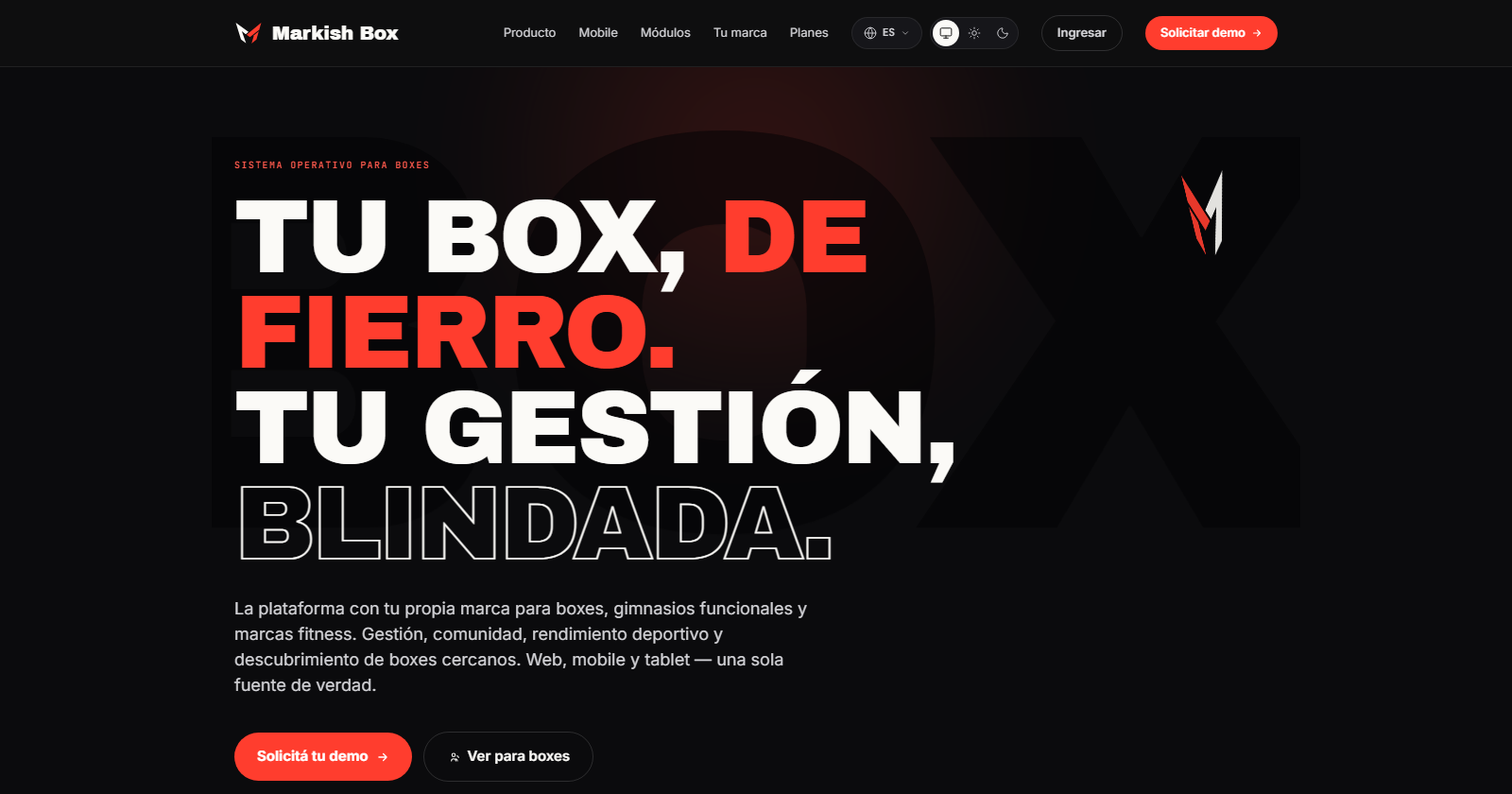
Functional training gyms usually combine several tools for bookings, payments, attendance and member tracking, and many of them don't support rules specific to the industry such as class capacity, waitlists or multiple locations under one brand.
Offer a single system, branded for each gym, that works the same on the web and in the mobile app for owners, admins, coaches and athletes.
We are building a monorepo with a NestJS API on PostgreSQL, a Next.js web application, an Expo/React Native mobile app and an Astro marketing site. Business rules live in a shared domain package so the web, mobile and API apply exactly the same validations.
The same validations must apply in three different clients. A shared domain package avoids implementing the same rule twice.
When many people book the same class at once, capacity can't be exceeded. Validations run on the server and are tested with simultaneous booking scenarios.
Each gym sees its own branding from the first load, with no flicker, because identity is resolved on the server.
We haven't published metrics for this project yet: we only show results we can verify.
B2B SaaS · Functional fitness
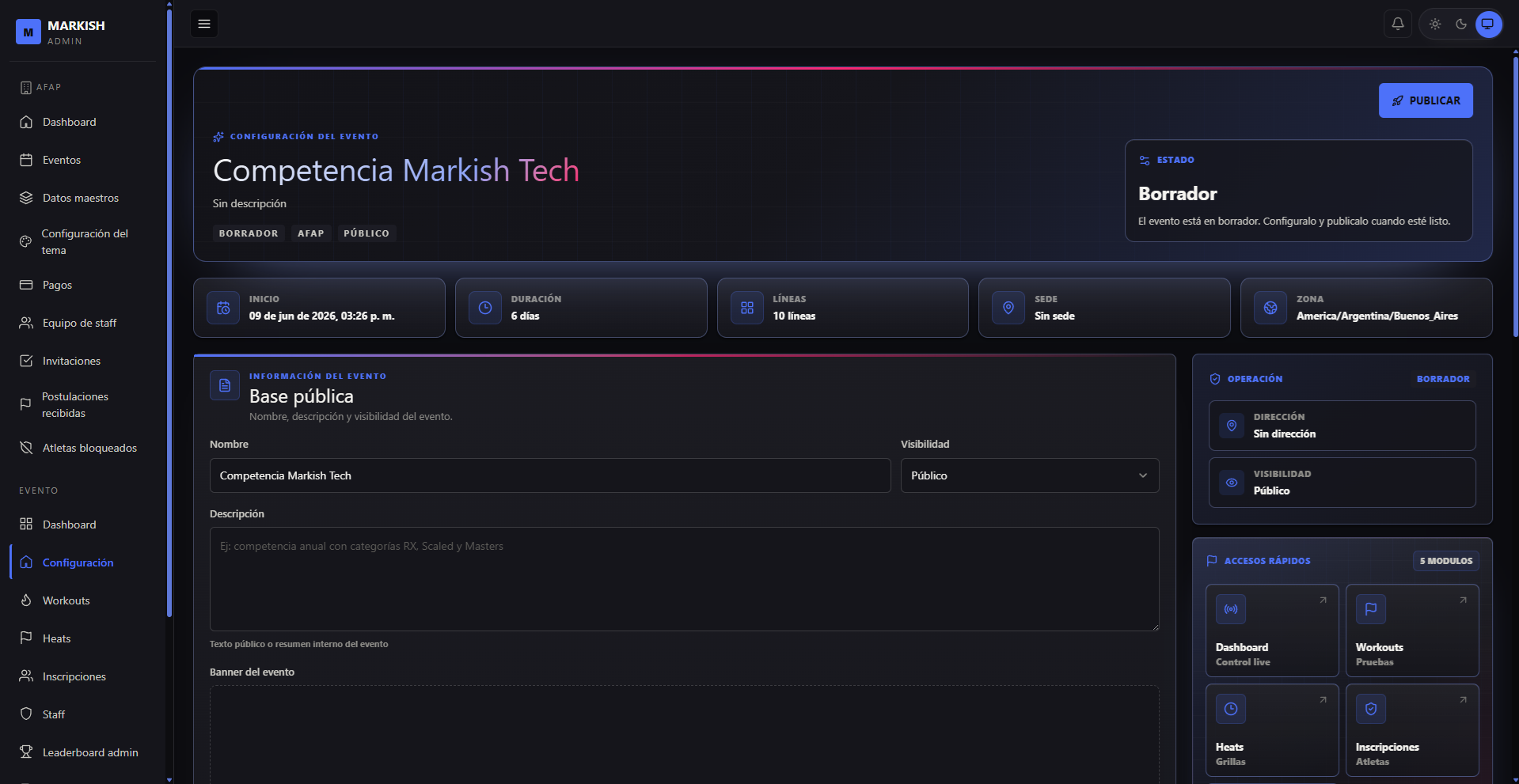
Our own product
Case study of Markish Arena, Markish Tech's multi-tenant SaaS platform for running and scoring functional fitness competitions in real time.
Events · Functional fitness
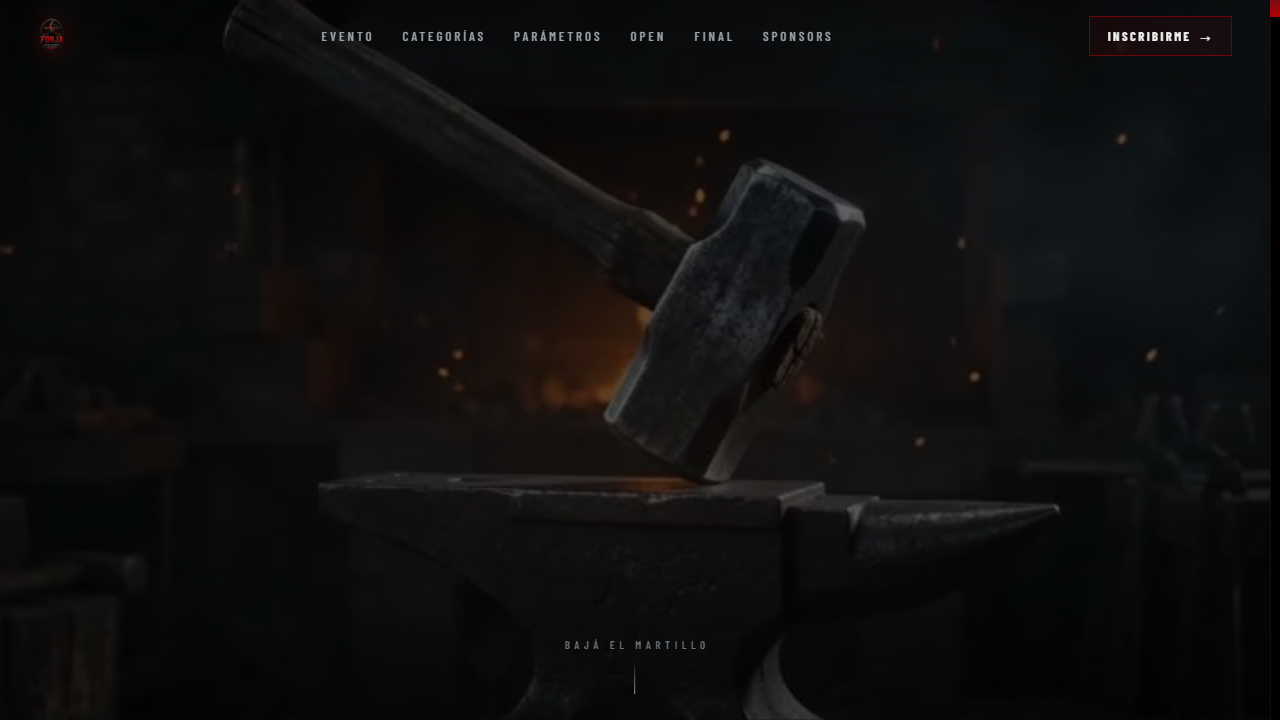
Client project
Case study of the official FORJA Challenge 2027 website, a functional fitness competition. A narrative landing page built with Next.js and scroll-driven animation.
We'll explain how we would approach it, with which technologies and in which stages.
Pick the channel that suits you best. We reply within 1 business day.
WhatsApp+54 9 11 5164 9895 (opens in a new tab)Emailmarkishtech@gmail.comContact formTell us about your project